
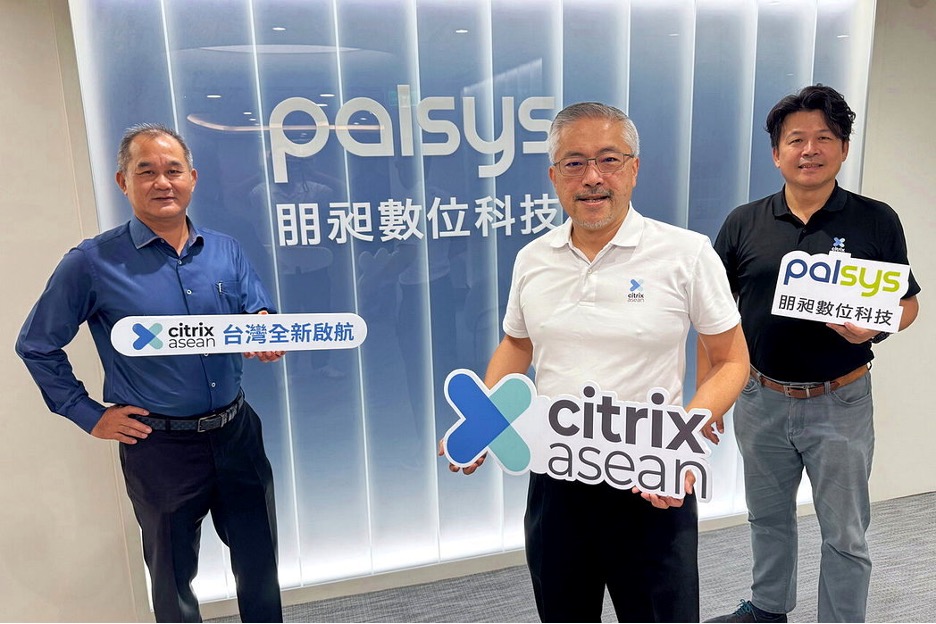
As generative AI becomes increasingly integrated into business operations, enterprises are shifting their focus from whether to adopt AI to how they can ensure data security, manage access, and establish effective governance frameworks.
Simon Ng, Channel Director for Citrix Asean and South Asia, noted that the primary challenge facing Taiwanese enterprises is no longer the technology itself, but how to make AI secure, manageable, and suitable for enterprise use.
He explained that businesses in Taiwan face several challenges when implementing AI, particularly in governance, cybersecurity, and cost management.
One key concern is the growing use of AI tools without formal approval. Before organizations establish comprehensive AI policies, employees may independently adopt various tools, creating what is known as “Shadow AI.” This makes it difficult for enterprises to track how data is being used and shared, while increasing regulatory compliance and audit risks.
Traditional identity verification methods also have limitations. While they can confirm a user’s identity, they cannot fully prevent sensitive information from being copied, captured through screenshots, or downloaded to unmanaged devices.
Cost management is another concern. Since most generative AI services charge based on token usage, separate purchases by individual departments can result in duplicated spending, fragmented audit logs, and inconsistent governance standards. This also makes it harder for management to gain a clear, organization wide view of AI usage.
To address these challenges, Citrix extends its digital workspace and Zero Trust security capabilities to support enterprise AI governance. Its solutions include Virtual Desktop Infrastructure (VDI), Enterprise Browser, application protection, watermarking, session recording, and download controls. Together, these capabilities help organisations secure access to desktops and applications while keeping sensitive data within controlled environments.
This approach follows a simple principle: keep data where it belongs while delivering a seamless experience to users. By controlling how data is accessed and used, Citrix also helps strengthen personal data protection and supports organizations in addressing ISO 27701 requirements, which are increasingly relevant to Taiwan’s high tech and manufacturing sectors.
At the AI infrastructure level, NetScaler AI Gateway provides a centralized entry point for managing enterprise AI traffic. Its capabilities include traffic control, prompt and response inspection, token usage and cost monitoring, and audit log retention. These functions help organizations improve visibility, manage AI consumption, and establish a more comprehensive governance framework.
Prince Wang, Head of the Cloud and Commercial Software Business Division 3 at Palsys Digital Technology, shared that financial services is currently the most proactive sector in Taiwan when it comes to adopting AI governance and Zero Trust security. High tech manufacturing, government, and healthcare are also showing growing interest.
He highlighted that Citrix solutions help enterprises reduce the risk of data leakage while meeting compliance requirements and maintaining operational efficiency.
To help businesses navigate the challenges of AI transformation and governance, Palsys Digital Technology offers five key service areas: hybrid cloud, data and AI platforms, cybersecurity governance, observability and IT operations, and data backup and resilience.
With complementary capabilities in Zero Trust security, digital workspaces, and AI governance, Citrix and Palsys Digital Technology are well positioned to support enterprises in building a more secure and manageable AI environment, paving the way for responsible and sustainable AI adoption.
Source: Economic Daily News (經濟日報) original article in Traditional Chinese: 朋昶攜Citrix布局企業AI治理
This English version is adapted and translated from the original Chinese article published by Economic Daily News (經濟日報), part of United Daily News group.